Protecting Your Texas Landscape Before a Hard Freeze
Most of the year, Texas weather is kind to lawns, trees, and shrubs. That is exactly what makes a hard freeze so dangerous. When a blue norther rolls through, temperatures can plunge in a matter of hours, and plants that were growing happily the week before are suddenly exposed to air cold enough to rupture their cells.
The good news is that most freeze damage is preventable. A few hours of preparation before the temperature drops can be the difference between a landscape that bounces back in spring and one that needs costly replacement. This guide walks you through how to protect plants from a freeze, from the watering trick most homeowners skip to the covering mistakes that make damage worse.
Why Texas freezes hit landscapes so hard
Plants build cold tolerance gradually. According to Texas A&M AgriLife Extension, plants acclimate best when weather gets steadily colder over several weeks. Texas rarely cooperates. A warm stretch in the 70s can cause plants to lose the hardiness they had built up, leaving them more vulnerable when the next cold front arrives.
Texas also gets two very different kinds of cold events:
- Freezes (the blue norther). A cold front blows in with strong wind and a deep mass of frigid air. Temperatures stay low across the whole plant, from the roots to the top branches, and the wind dries out leaves and stems. These are the events behind the worst plant losses in Texas history.
- Frosts. These happen on clear, calm nights, often a night or two after a cold front passes. Heat escapes from plants and soil into the open sky, and the tops of plants can get several degrees colder than the air temperature on your thermometer.
Knowing which one is coming tells you how much protection you need. Light covers work well against a calm-night frost, but a windy, multi-day freeze calls for heavier measures.
When to expect the first freeze
The first freeze arrives earlier than many Texans expect, especially in North Texas. Here are the dates by which there is a 50% chance of reaching 32°F in fall, based on NOAA data compiled by Texas A&M AgriLife:
| Area | Typical first freeze |
| McKinney (Collin County) | Nov 7 |
| Austin | Nov 16 |
| Arlington (Dallas–Fort Worth) | Nov 23 |
| Houston | Dec 9 |
Those are averages, not guarantees. Plan to have your supplies ready by early November and watch the 7-day forecast closely from then on.
What counts as a hard freeze?
Not every cold night is an emergency. AgriLife Extension specialists describe a light frost as 30–32°F for a short period before sunrise, which most established landscapes handle fine. A hard freeze is 28°F or below for several hours, and that is when serious injury happens.
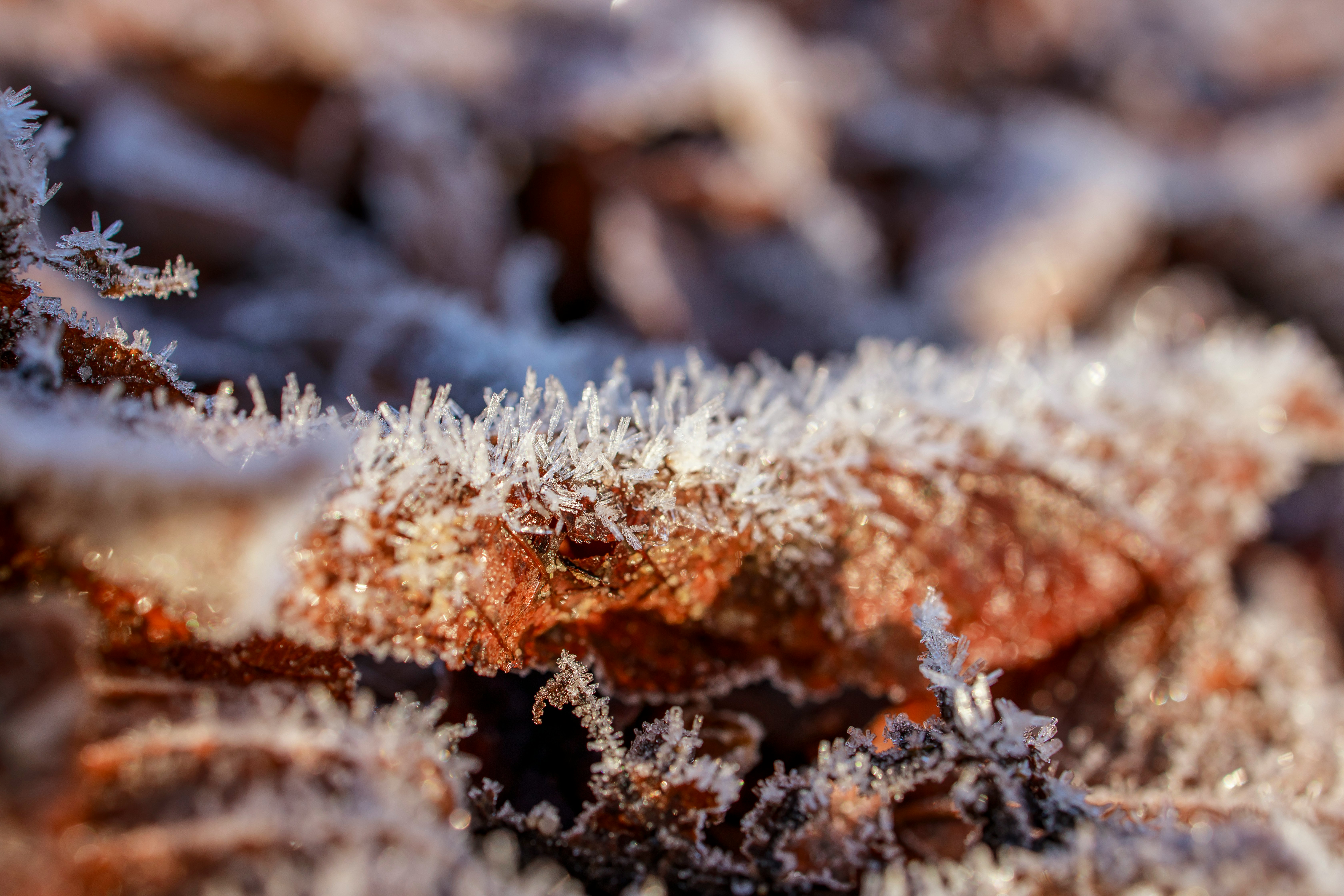
When water inside plant cells freezes, ice crystals form and puncture the cell walls. As temperatures rise again, the damaged cells leak and begin to decay. That is why freeze-damaged leaves first look dark and water-soaked, then turn brown or black within a few days.
Which plants are most at risk
Some parts of your landscape can ride out a hard freeze with no help. Others need your attention before the forecast low arrives.
Highest risk:
- Container plants. Roots in pots have no soil around them for insulation, and roots are often less hardy than the top of the plant. Potted roots can die if the soil in the container drops much below 32°F.
- Tropical and subtropical plants. Citrus, many palms, hibiscus, bougainvillea, and similar plants have limited cold hardiness. Their survival depends on age, size, and how long the cold lasts.
- Young and newly planted trees and shrubs. Anything planted in the last year or two has a smaller root system and thinner bark, so it has fewer reserves to recover from damage.
- Warm-season annuals and tender perennials. These can be damaged at or even slightly above 32°F.
Moderate risk:
- St. Augustine lawns. St. Augustine is the least cold-tolerant of the common Texas lawn grasses. A single frost will not hurt a dormant lawn, but a prolonged hard freeze can kill patches, especially in shady or poorly drained spots.
- Plants pushing new growth. Shrubs and trees that were fertilized with nitrogen or heavily pruned in late summer or fall often have tender new shoots that freeze easily.
Lower risk:
- Dormant, cold-hardy trees such as pecans, oaks, and peaches tolerate very low winter temperatures once they have shut down for the season.
- Woody evergreens like hollies, and well-established native plants, generally come through a typical Texas freeze with little or no protection.
Spend your time and frost cloth on the high-risk group first.
How to protect plants from a freeze: 7 steps
Once a hard freeze shows up in the forecast, work through these steps in order. Most of them take an afternoon or less.
- Water thoroughly the day before. It sounds backward, but moist soil is one of the best freeze protections you have. Wet ground absorbs heat during the day and releases it around your plants overnight, and water gives off heat as it freezes. Well-watered plants also resist freezing better than drought-stressed ones. Water during the warmest part of the day so the surface is not icy by nightfall.
- Add mulch around root zones. A 2–4 inch layer of shredded bark, pine straw, or leaves insulates roots and the crowns of perennials. Keep mulch a few inches away from tree trunks and shrub stems to avoid rot and pests.
- Cover tender plants the right way. Use frost cloth, old bedsheets, blankets, or even cardboard boxes. Drape the cover loosely over the plant so it reaches all the way to the ground, then weigh down the edges with bricks or stones. The goal is to trap heat rising from the soil, so a cover that stops at the branches or is tied around the trunk does very little. Put covers on in the late afternoon, before sundown.
- Add heat under covers for your most valuable plants. In a windy freeze, light covers alone offer little protection. For citrus, palms, and other high-value plants, string old-style incandescent holiday lights (the large bulbs, not LEDs) under the cover. Keep bulbs from touching leaves, check cords for damage, and use outdoor-rated connections to avoid fire risk.
- Move or group container plants. Bring pots into a garage, shed, or covered porch if you can. If they must stay outside, cluster them tightly against the south side of your house, water them well, and pile mulch or leaves around the pots before covering them.
- Protect your irrigation system. Turn off automatic sprinkler schedules before the freeze. Running sprinklers in freezing weather coats trees and shrubs with ice, which can snap limbs, and creates slick sidewalks. Insulate or wrap any exposed backflow preventer and outdoor pipes.
- Skip the fertilizer and pruning. Nitrogen fertilizer or heavy pruning in fall pushes out tender new growth, which is the first thing to freeze. Save both for spring.
Plastic, sheets, or frost cloth?
Frost cloth is the best option because it lets plants breathe and can stay on for a few days if needed. Sheets and blankets work fine for a night or two. Avoid laying clear plastic directly on plants, since plastic transfers cold to any leaf it touches. If plastic is all you have, put a sheet or blanket underneath it so the plastic never contacts the foliage.
Whichever you use, take covers off the next morning once temperatures rise above freezing. Leaving them on through a sunny day can trap too much heat and damage the plants you just protected. If another freeze is forecast that night, simply put them back on in the afternoon.
Common freeze-prep mistakes to avoid
- Covering only the top of the plant. A sheet draped over branches without reaching the ground traps almost no heat.
- Wrapping covers tightly around the trunk. This creates a "lollipop" that cuts the plant off from the warm soil below.
- Waiting until dark. Covers work best when they go on before sundown, while the soil still holds the day's warmth.
- Forgetting the pots. Container plants are the most likely to die in a hard freeze, yet they are often the last thing people think about.
- Pruning in a panic afterward. Cutting back damaged plants right away does not help them recover, and it can leave them more exposed to the next cold snap.
What to do after the freeze
The first few days after a hard freeze are about patience. Damage to leaves shows up right away, but injury to branches and trunks can take days or weeks to appear.
- Leave damaged foliage in place. Brown leaves look rough, but they shield the healthy tissue underneath from the next freeze. Wait until late winter or early spring, when the threat of frost has passed, before cutting anything back.
- Use the scratch test. A few days after the freeze, gently scrape the bark on a twig with your thumbnail. Green or creamy tissue underneath is alive. Brown tissue is dead. Work down the branch until you find live tissue, and that shows you where to prune later.
- Water if the soil is dry. Once the ground thaws, water plants that went into the freeze dry. Freezing air pulls moisture from leaves and stems.
- Stay off frozen grass. Walking on a frozen lawn breaks the brittle grass blades and can leave footprint-shaped dead spots.
- Watch your trees for hazards. Ice and wind can crack limbs or split trunks. A hanging limb or a new split near a house, driveway, or play area should be looked at by a certified arborist, not left until spring.
If your St. Augustine lawn looks brown after a freeze, do not panic. It may simply be dormant. Wait until spring green-up to judge which areas need repair.
Get your Texas landscape freeze-ready
A little preparation goes a long way when a hard freeze hits Texas. Water the day before, mulch your root zones, cover tender plants all the way to the ground, and protect your pots and irrigation. Then give your plants time to show you what survived before reaching for the pruners.
If you want a professional set of eyes on your trees and shrubs before or after a freeze, Joshua Tree Experts serves homeowners across North Dallas, Dallas Central, Collin County, Greater West Austin, Greater West Houston, and Fort Bend–Cypress. Our tree care team can assess cold risk, recommend a plant health care program, and handle storm or freeze damage safely. Schedule a complimentary consultation today, or call us at 833-583-8733.