Oak wilt has killed millions of trees across 76 Texas counties, and it threatens the live oaks and red oaks that shade yards from Dallas to Austin to Houston. The Texas A&M Forest Service calls it one of the “most destructive tree diseases” in the country. Much of the risk comes down to timing. Oaks that are cut or wounded between February and June are the most vulnerable, which makes fall the time to check your oaks, talk to an arborist, and get any trimming on the calendar before that window opens.
What Is Oak Wilt?
Oak wilt is caused by a fungus, Bretziella fagacearum, that blocks the flow of water to a tree's canopy. Once it takes hold, the tree can't move enough water to its leaves and begins to die. It spreads in two ways:
- Underground, through connected roots. Live oaks often share root systems with neighboring live oaks, and the fungus travels through those connections at an average of about 75 feet per year. In Central Texas, this root-to-root spread accounts for most of the spread and tree loss.
- Above ground, by way of beetles. Red oaks that die from oak wilt can form fungal mats under their bark. Small sap-feeding beetles pick up spores from those mats and carry them to fresh wounds on healthy oaks, sometimes flying up to a mile. This is most active in late winter and spring.
How a New Outbreak Gets Started
Most new infection centers begin with a single red oak. Red oaks such as Shumard, Spanish and blackjack oaks that become infected in summer or fall can form fungal mats under their bark the following spring. Small cracks in the bark are often the first clue that a mat is forming underneath, and the mats give off a sweet smell that draws in sap-feeding beetles.
The beetles feed and breed on the mats, then fly off carrying spores. If they land on a fresh pruning cut, a mower scrape or a storm-broken branch on a healthy oak, they can start a brand-new infection. From there, the disease can move from tree to tree through connected roots.
A few details are worth knowing. Red oaks that have been dead for more than a year don't produce mats, and live oaks and white oaks generally don't form them at all. That's why fast removal of newly infected red oaks matters so much, and why a single wound in spring can be enough to start a problem.
Which Oaks Are Most at Risk?
Every oak can be infected, but not every oak reacts the same way:
- Red oaks are very susceptible. They can die within two to four weeks of showing symptoms, and they're the trees that form the fungal mats beetles feed on.
- Live oaks are in the middle. An infected live oak may die within a few months, though some recover. Because their roots connect, the disease can move through a whole group of trees.
- White oaks, such as post and bur oaks, are resistant. They can show wilting and browning but may survive for years.
Signs of Oak Wilt in Your Trees
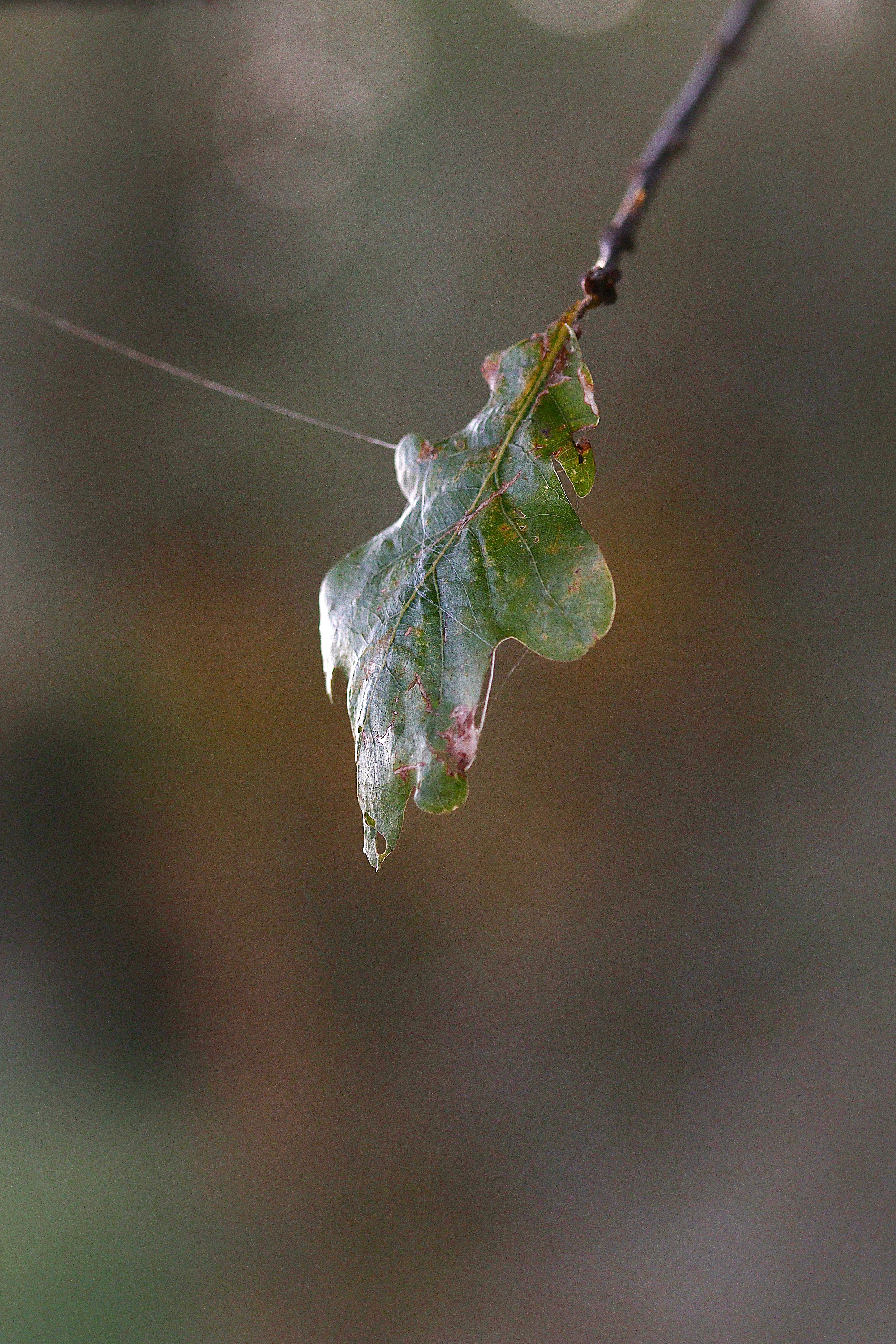
- Live oaks: look for "veinal necrosis," where the veins of the leaf turn yellow or brown while the rest of the leaf stays green.
- Red oaks: leaf tips turn reddish-brown or bronze, often starting on one limb in early May before spreading through the tree. Because red oaks show few early warning signs, lab testing is often needed to confirm the disease.
- Leaf drop at the wrong time: around Austin, live oaks normally shed their leaves in March. Green leaves falling in midsummer, or wilted, curled leaves starting at the top of the tree, are a warning sign.
- Groups of dying trees: several live oaks declining one after another in the same area is a red flag for root spread.
Samples can be sent to the Texas Plant Disease Diagnostic Laboratory for confirmation. If you think a tree may be infected, one of our ISA-Certified Arborists can take a look.
Oak Wilt Across Texas
Oak wilt is a statewide problem. Austin, Dallas, Fort Worth, Houston, Lakeway and Round Rock all run oak wilt programs with municipal foresters.
- Dallas-Fort Worth (North Dallas, Dallas Central, Collin County): Dallas County's AgriLife Extension calls oak wilt "a significant threat to oak trees in our area" and names fall as the best time for routine oak pruning. Red oaks, which die fastest once infected, need extra care here.
- Central Texas (West Austin): Live oaks dominate many neighborhoods, which is why root spread does so much damage here. Neighbors' trees are often connected to yours underground. Travis County AgriLife Extension points to November through January as the best pruning window, when beetle activity and spore production are low.
- Greater Houston (West Houston, Fort Bend-Cypress): Houston is one of the Texas cities with an oak wilt program, and the same pruning and wound-care rules apply.
When to Trim Oaks in Texas
The Texas A&M Forest Service advises avoiding pruning or wounding oaks from February through June, when fungal mats, beetle populations and tree susceptibility are all at their peak. Outside that window, the coldest part of the year is the safest time to prune, and some Central Texas guidance recommends waiting until after the first hard freeze. Our arborists can help you pick the right weeks for your area. A few more rules our arborists follow:
- Paint every oak wound right away. That includes pruning cuts and damage from storms, mowers, string trimmers and construction, at any time of year. The Forest Service notes that any kind of paint works; it simply creates a barrier that keeps beetles away.
- Clean tools between trees. Disinfecting pruning tools before and after each job helps avoid carrying problems from tree to tree.
- Skip cosmetic pruning on stressed trees. After drought or freezes, unnecessary pruning can do more harm than good.
- Safety comes first. A broken or dangerous limb should come down promptly in any season, with the wound painted immediately.
Booking your oak trimming now gets the work done in the safe window instead of scrambling as February approaches. You can book an appointment with Joshua Tree Experts 24/7 here.
How to Protect Your Oaks
- Fungicide injections. Healthy live oaks near an infected tree, within about 75 to 100 feet, are the best candidates. An injection protects only the tree that receives it and is repeated every one to three years.
- Trenching. A trench at least 4 feet deep, placed about 100 feet beyond the drip line of infected trees, cuts the root connections that carry the disease. It can be difficult in tight urban neighborhoods and is a job for a trained arborist.
- Deal with dead red oaks quickly. Infected red oaks should be cut and burned, buried or chipped soon after they're found, before fungal mats can form.
- Be careful with firewood. Buy locally sourced firewood, and don't move wood from unknown sources. Use wood that has been seasoned for a year, or cover unseasoned oak firewood completely with clear plastic sealed at the edges.
- Plant a mix of trees. Adding species other than oaks keeps one disease from taking out your whole canopy.
- Talk to your neighbors. Because live oak roots cross property lines, prevention works best when the whole street is on board.
Is Treatment Worth It?
Oak wilt treatment can be costly, so it makes the most sense for high-value trees, like a large live oak shading your home. For a tree that's already heavily infected, removal is often the best option, especially if it's a red oak that could produce fungal mats. Quality matters, too. Cheap or rushed treatments tend to give poor results, so work with an experienced certified arborist who can tell you honestly whether a tree is worth treating.
Help for Texas Landowners
The Texas A&M Forest Service runs an oak wilt cost-share program for private landowners, focused on Central Texas. It can cover part of the cost of trenching (up to $5,000) and removing infected red oaks (up to $2,000). Forest Service staff must confirm the disease and approve a management plan before any work begins, so reach out to your county's forester early. Their Find My Forester tool on the Forest Service website is the place to start.
Replanting After Oak Wilt
If you lose a tree, consider replacing it with something less susceptible. Travis County AgriLife Extension suggests options such as white oaks, chinquapin oak, Monterrey oak and lacey oak, and recommends choosing trees suited to your local ecoregion. Mixing in non-oak species adds even more protection for the future.
Quick Answers
A storm broke a limb on my oak in spring. Should I wait until winter to deal with it? No. Broken or hanging limbs should come down promptly, whatever the season. Have the cut painted right away so the open wound doesn't invite beetles.
Are my post oaks and bur oaks safe? They're resistant, not immune. All oaks can be infected, so the same pruning and wound-painting rules apply to them.
Can an infected live oak be saved? Sometimes. Some live oaks recover, and injections can help protect high-value trees near an infection. A tree that's already heavily infected is often better removed.
Call Us Before February!
Our arborists can check your oaks for signs of oak wilt, schedule trimming for the safe winter window, and recommend insect and disease management for trees at risk. Reach out to your local Joshua Tree Experts in North Dallas, Dallas Central, Collin County, West Austin, West Houston or Fort Bend-Cypress for a free evaluation today by calling 833-583-8733!